
Healthcare construction projects in the United States demand high levels of accuracy. Hospitals, medical centers, and specialty clinics rely on complex systems that must work together without errors. Even small design mistakes can lead to delays, extra costs, and operational issues.
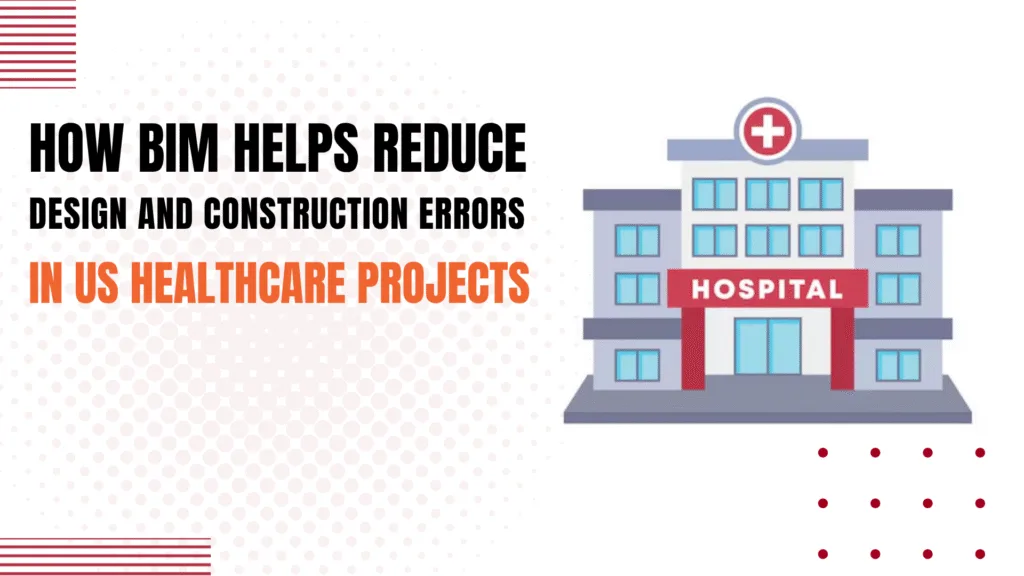
As healthcare facilities continue to expand across the country, owners, architects, engineers, and contractors need better ways to improve project quality. This is where BIM Service plays an important role. It helps project teams identify issues early, improve coordination, and deliver healthcare facilities that support patient care, safety, and long-term performance.
Healthcare Construction Market in the USA: Why Accuracy Matters More Than Ever
Growth of Healthcare Construction in the United States
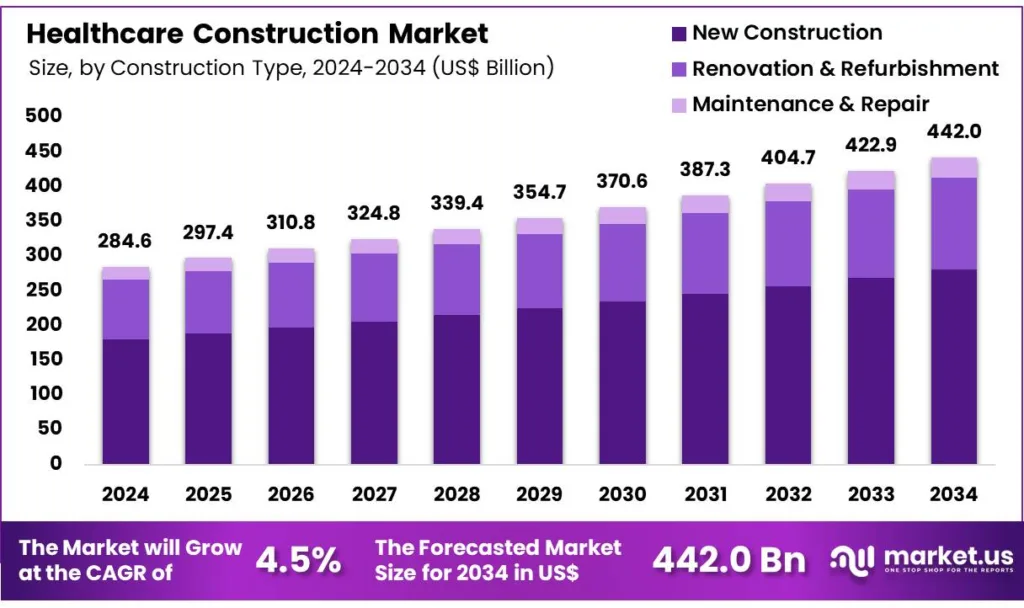
The healthcare construction sector continues to expand across the United States. Rising healthcare demand, an aging population, and the need for modern medical facilities drive new investments in hospitals, outpatient centers, and specialty clinics. Recent data shows that U.S. healthcare construction spending exceeded $70 billion in 2026, which highlights the scale and importance of this market.
Public and Private Healthcare Construction Investments
The private sector was the largest segment in the end-user category with 61.8% share in 2024, driven by increasing demand for high quality, accessible healthcare services. In the United States, private healthcare construction projects are substantial contributors to the market.
For instance, the Children’s Hospital of Philadelphia is investing $3.4 billion into new construction, including a 22-story inpatient tower with 300 beds, addressing overcrowding and expanding capacity. Similarly, Ohio State University’s Wexner Medical Center is developing a $1.79 billion inpatient hospital with 820 beds, marking it as the largest single-facility project in the institution’s history.
Why Healthcare Facilities Require Greater Precision
Healthcare facilities contain complex building systems, medical equipment, and strict safety requirements. A small coordination error can affect operations, increase costs, and delay project completion. Hospital projects often involve extensive MEP systems that require careful planning and coordination.
Accurate design and construction processes help project teams avoid rework, maintain compliance, and create spaces that support patient care. This is why healthcare owners, architects, engineers, and contractors across the USA increasingly rely on BIM to improve project accuracy before construction begins.
Understanding the Unique Challenges of Healthcare Construction Projects
Healthcare construction projects are among the most complex projects in the AEC industry. Unlike commercial buildings, hospitals and medical centers must support critical healthcare services while meeting strict operational and safety requirements.
Complex MEP and Building Systems
Healthcare facilities depend on highly coordinated mechanical, electrical, and plumbing systems. These systems support ventilation, medical gas distribution, backup power, temperature control, and infection prevention. Hospitals also house advanced medical equipment that requires dedicated space and specialized utility connections. Any conflict between these systems can result in costly changes during construction.
Regulatory and Compliance Requirements
Healthcare projects must comply with numerous regulations and standards. Designers and contractors must meet local building codes, fire safety regulations, accessibility requirements, and healthcare-specific guidelines. Failure to meet these standards can delay approvals, increase project costs, and impact facility operations. Accurate planning is essential to avoid compliance issues.
Coordination Between Multiple Stakeholders
A healthcare project involves many participants, including architects, engineers, contractors, healthcare administrators, equipment suppliers, and facility managers. Each stakeholder has unique requirements and priorities. Without proper coordination, communication gaps can lead to design conflicts, schedule delays, and budget overruns. Effective collaboration is critical for project success.
What is BIM and Why is it Essential for Healthcare Facilities?
Building Information Modeling (BIM) is a digital process that allows project teams to create, manage, and share intelligent building models throughout a project’s lifecycle. It provides a centralized platform where all project information remains connected and accessible.
Understanding Building Information Modeling (BIM)
BIM goes beyond traditional 2D drawings. It creates detailed 3D models that contain design, construction, and operational data. Architects, engineers, and contractors can work within the same model, which helps improve communication and reduce misunderstandings. Teams can identify issues before construction starts, which saves both time and money.
Why BIM is Critical for Healthcare Construction
Healthcare facilities contain complex systems that require precise coordination. BIM helps project teams detect clashes between architectural, structural, and MEP components before they reach the job site. It also improves design accuracy, supports better decision-making, and helps stakeholders visualize the finished facility. These advantages reduce errors and improve project outcomes.
BIM’s Role Beyond Construction
The value of BIM extends well beyond project completion. Facility owners can use BIM models to manage assets, track equipment, plan maintenance, and support future renovations. This access to reliable building information helps healthcare organizations operate facilities more efficiently throughout their lifecycle. As healthcare infrastructure continues to grow across the United States, BIM has become an essential tool for delivering safe, efficient, and high-performing healthcare facilities.
How BIM Reduces Design Errors in Healthcare Projects
Healthcare projects require precise coordination because even minor design issues can create major construction challenges. BIM helps project teams identify and resolve problems before work begins on site.
Improved Design Coordination
BIM creates a shared environment where architects, structural engineers, and MEP consultants work with the same project data. This approach reduces communication gaps and helps teams maintain design consistency throughout the project.
Clash Detection Before Construction Begins
One of the biggest advantages of BIM is clash detection. Teams can identify conflicts between structural, architectural, and MEP systems during the design stage. Early detection prevents costly changes and delays during construction.
Enhanced Visualization Through 3D Modeling
Three-dimensional models provide a clear view of healthcare spaces before construction starts. Stakeholders can review room layouts, equipment placement, and building systems with greater confidence, which helps reduce design mistakes.
Accurate Space Planning for Healthcare Environments
Hospitals require careful space allocation for patient rooms, operating theaters, laboratories, and support areas. BIM helps designers optimize layouts while ensuring all operational requirements are met.
How BIM Helps Reduce Construction Errors in Healthcare Facilities
Accurate Construction Documentation
BIM generates coordinated drawings and project documents from a central model. This process reduces inconsistencies and helps construction teams work from accurate information.
Improved Site Coordination
Contractors, subcontractors, and project managers can access updated project data throughout construction. Better communication leads to fewer misunderstandings and fewer field errors.
Construction Sequencing and Planning with 4D BIM
BIM supports project scheduling by linking construction activities to model elements. Teams can review construction sequences before work begins and identify potential challenges early.
Prefabrication and Modular Construction Support
BIM improves the accuracy of prefabricated components. Healthcare projects often use prefabricated MEP assemblies and modular systems to improve quality and reduce installation errors.
The Importance of BIM for Healthcare Facility Owners and Operators
Better Facility Performance
Accurate models help owners understand building systems and improve operational efficiency after project completion.
Enhanced Patient Safety
Well-coordinated designs reduce system conflicts and support safer healthcare environments for patients and staff.
Reduced Operational Disruptions
BIM provides valuable information for maintenance, upgrades, and future renovations, which helps minimize disruptions to healthcare services.
Long-Term Asset Management Benefits
Facility teams can use BIM data to manage equipment, track assets, and plan future improvements more effectively.
Key Benefits of BIM for US Healthcare Construction Projects
Reduced Design and Construction Errors
Faster Project Delivery
Improved Cost Control
Better Stakeholder Collaboration
Increased Regulatory Compliance
Higher Quality Healthcare Facilities
By improving coordination, communication, and project visibility, BIM helps healthcare organizations deliver facilities that meet strict performance, safety, and compliance requirements while reducing risks throughout the project lifecycle.
Why Healthcare Organizations in the USA Are Adopting BIM
Healthcare providers across the United States face increasing pressure to deliver modern facilities while controlling costs and maintaining high standards of care. BIM service provider in USA helps organizations meet these goals through better planning, coordination, and project management.
Meeting Growing Patient Demands
The demand for healthcare services continues to rise due to population growth and an aging population. Hospitals and healthcare networks need facilities that can support future expansion and changing patient needs. BIM helps project teams design flexible and efficient healthcare environments.
Managing Complex Healthcare Infrastructure
Modern healthcare facilities include advanced medical equipment, specialized treatment areas, and complex building systems. BIM allows teams to coordinate these elements within a single model, which helps reduce design conflicts and improve project accuracy.
Improving Return on Construction Investments
Healthcare construction projects require significant capital investment. BIM helps reduce rework, avoid delays, and improve resource utilization. These advantages help healthcare organizations achieve better value from their construction budgets.
Supporting Digital Transformation in Healthcare Construction
Many healthcare organizations are adopting digital technologies to improve operations and patient care. BIM supports this transition by providing accurate building data that can be used throughout design, construction, facility management, and future renovations.
How Next Synergy Solution Supports Healthcare BIM Projects
Healthcare projects demand precision, coordination, and compliance. Next Synergy Solution helps project teams achieve these objectives through specialized BIM support services tailored to the needs of the US healthcare sector.
BIM Modeling for Healthcare Facilities
Our team develops accurate BIM models for hospitals, medical centers, specialty clinics, and healthcare campuses. These models support better planning, design coordination, and project execution.
Clash Detection and Coordination Services
We identify and resolve conflicts between architectural, structural, and MEP systems before construction begins. This approach helps reduce costly site issues and project delays.
Construction Documentation Support
Our professionals prepare detailed construction documents that improve communication between stakeholders and support efficient project delivery.
MEP, Architectural, and Structural BIM Expertise
Next Synergy Solution provides coordinated BIM services across multiple disciplines to help healthcare projects maintain accuracy from concept through construction.
Support for US Healthcare Construction Standards
We work with project teams to develop models and documentation that align with industry requirements, project specifications, and healthcare construction best practices.
Conclusion
Healthcare construction projects require a high level of accuracy due to complex building systems, strict regulations, and the critical role these facilities play in patient care. Even small errors can lead to delays, budget increases, and operational challenges. BIM helps healthcare organizations overcome these risks by improving coordination, reducing design conflicts, and supporting informed decision-making throughout the project lifecycle.
As healthcare construction continues to grow across the United States, BIM has become an essential tool for delivering safe, efficient, and high-performing facilities. Organizations that adopt BIM can improve project outcomes, enhance facility operations, and create healthcare environments that better serve patients, staff, and communities for years to come.