
Introduction
Construction projects depend on clear and accurate documents. Every drawing, detail, specification, and revision affects how a project moves forward. When documentation lacks accuracy, teams face delays, rework, cost increases, and communication gaps.
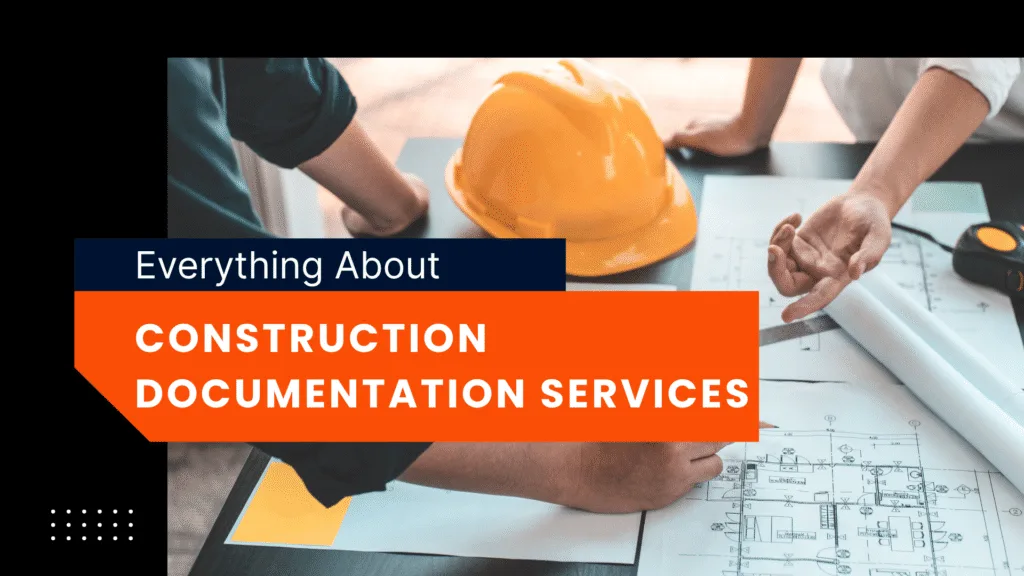
Construction documentation services help project teams stay organized and aligned from design to project completion. These services create a structured process that supports better decisions and smoother execution.
As projects become more complex, many construction companies face an important question. Should they manage documentation internally or outsource it to external experts?
An internal team can provide greater control and direct collaboration. Outsourcing can offer flexibility, faster delivery, and access to experienced professionals.
The right choice depends on project size, available resources, budget, and business goals.
This guide explains construction documentation services, their value, the benefits and challenges of outsourcing, and how to decide which approach best supports your construction projects.
What Are Construction Documentation Services?
Construction documentation services create and manage the records that guide a construction project from design to completion. These documents help teams stay aligned, reduce confusion, and support accurate project execution.
Clear documentation gives every stakeholder access to the same information at the right time. This helps reduce errors and keeps work on track.
Understanding Construction Documentation
Construction documentation includes all project-related drawings, specifications, instructions, schedules, and technical details. These documents define what needs to be built and how the work should proceed.
With BIM services, documentation becomes more coordinated, accurate, and easier to manage across project stages. It also creates a clear reference point for architects, engineers, contractors, and project owners.
Types of Construction Documents
Construction documentation covers several important document types.
These may include construction drawings, shop drawings, permit documents, technical specifications, as-built drawings, RFIs, submittals, schedules, and revision records.
Each document supports a different stage of the construction process and helps maintain consistency across teams.
Who Uses Construction Documentation Services?
Many professionals depend on construction documentation services.
Architects use documents to communicate design intent. Engineers rely on them for technical coordination. Contractors use them to plan and execute work. Developers and construction managers use documentation to track progress and maintain project quality.
Strong documentation helps every team work with greater clarity and confidence.
Why Construction Documentation Matters in Construction Projects
Construction projects involve many teams, deadlines, and decisions. Without clear documentation, small mistakes can quickly become costly problems. Accurate documents create a single source of truth for everyone involved.
Improves Accuracy Across Project Stages
Construction documents help teams follow the same project requirements from start to finish. Clear drawings and specifications reduce confusion and support accurate execution.
When teams work with updated documents, they make fewer mistakes and avoid unnecessary rework.
Supports Better Team Coordination
Architects, engineers, contractors, and site teams rely on shared information. Construction documentation keeps communication clear and helps every team stay aligned.
This reduces delays caused by missing details or conflicting instructions.
Reduces Rework and Construction Delays
Documentation errors often lead to changes during construction. These changes affect schedules, budgets, and productivity.
Accurate documents help teams identify issues earlier and reduce unexpected project disruptions.
Helps Control Project Costs
Every correction on site creates additional expense. Clear documentation lowers the chance of material waste, labor inefficiencies, and project delays.
This supports better budget control throughout the project.
Strengthens Compliance and Documentation Standards
Construction projects must meet design requirements, codes, and project specifications. Proper documentation creates a clear record that supports approvals and project accountability.
Key Components Included in Construction Documentation Services
Construction documentation includes more than drawings. It combines technical details, project records, and structured communication that support project delivery.
Design Documentation
Design documentation translates project ideas into detailed plans. These documents define layouts, dimensions, and construction requirements.
They create a clear path from concept to execution.
Technical Drawings and Detailing
Technical drawings provide detailed instructions for construction teams. These documents show dimensions, materials, sections, and assembly details.
Accurate detailing supports better site execution.
Material and Product Specifications
Specifications define product standards, material requirements, and performance expectations.
This helps maintain consistency and ensures teams use the correct materials.
Construction Administration Documents
These documents support project coordination and communication. They may include RFIs, submittals, approval records, schedules, and change documentation.
They help keep decisions organized and accessible.
Revision and Version Management
Construction projects often require updates. Version control ensures teams work with the latest approved documents.
This reduces confusion and prevents costly errors.
Quality Control and Documentation Reviews
Documentation reviews help identify missing information, inconsistencies, and technical issues before construction begins.
This process supports higher project quality and smoother project execution.

Common Challenges Companies Face with Construction Documentation
Construction documentation supports every stage of a project. Yet many companies struggle to maintain accuracy, speed, and consistency as projects grow in size and complexity.
Inconsistent Drawing Updates
Project documents often change as designs evolve. When teams work from outdated drawings, errors and delays become more likely.
A clear update process helps maintain consistency across project teams.
Communication Gaps Between Teams
Construction projects involve architects, engineers, contractors, consultants, and owners. When information does not flow properly, teams may interpret requirements differently.
This can affect project quality and timelines.
Documentation Errors and Missing Information
Missing dimensions, unclear details, or incomplete specifications can create confusion during construction.
These issues often lead to rework, extra costs, and schedule disruptions.
Tight Project Deadlines
Construction schedules leave little room for documentation delays. Teams must produce accurate documents within limited timeframes.
Meeting both speed and quality expectations can become difficult.
Managing Multiple Revisions
Projects rarely stay unchanged. Frequent updates create challenges in version control and document tracking.
Without a structured process, teams may work from incorrect information.
Limited Internal Resources
Many companies do not maintain dedicated documentation teams. Existing staff often manage multiple responsibilities at the same time.
This can affect both document quality and project delivery.
What Does It Mean to Outsource Construction Documentation Services?
Outsourcing construction documentation means working with an external team that prepares, manages, and updates project documents.
Instead of expanding internal resources, companies use specialized professionals to support documentation requirements.
How Outsourced Documentation Teams Work
External teams receive project inputs, design data, and technical requirements from the client. They prepare construction documents, manage revisions, and coordinate updates based on project needs.
Regular communication helps maintain alignment between all stakeholders and supports smoother project execution. This structured approach is one reason many construction companies choose to work with a top Construction Documentation service provider to improve accuracy, consistency, and delivery efficiency.
Common Construction Documentation Tasks Companies Outsource
Companies outsource a wide range of documentation work.
This may include construction drawings, shop drawings, document updates, technical detailing, permit documentation, as-built drawings, and coordination support.
Outsourcing allows internal teams to focus on project management and execution.
Internal Team vs External Documentation Support
Internal teams provide direct control and close collaboration. External teams offer flexibility and specialized support.
Many companies combine both approaches to improve efficiency and manage changing workloads.
Benefits of Outsourcing Construction Documentation Services
Outsourcing BIM has become a practical option for construction firms that want to improve delivery without expanding internal operations.
Lower Operational Costs
Companies reduce expenses related to hiring, training, software, and infrastructure.
This creates a more flexible cost structure.
Access to Experienced Documentation Specialists
External teams often bring experience across multiple project types and documentation standards.
This helps improve quality and consistency.
Faster Project Turnaround
Dedicated documentation resources can complete tasks more efficiently and support tight schedules.
This helps projects move forward with fewer delays.
Flexible Resource Allocation
Construction workloads change throughout the year.
Outsourcing allows companies to increase or reduce support based on project demand.
Improved Documentation Quality
Specialized teams follow structured workflows and review processes.
This helps reduce documentation errors and improve project accuracy.
Easier Scaling During Peak Workloads
Large projects often require additional documentation support.
External resources help companies respond quickly without long recruitment cycles.
When Should You Outsource Construction Documentation Services?
Outsourcing is not the right choice for every company. The decision should depend on project goals, internal capacity, and business priorities.
Growing Construction Firms
As companies expand, project demands often increase faster than internal resources.
Outsourced documentation support helps maintain quality without immediate team expansion.
Companies Facing Resource Constraints
Internal teams may already manage design, coordination, and project delivery.
External documentation support reduces pressure and helps teams stay focused on core work.
Projects with Tight Timelines
Fast-track projects require quick document delivery and rapid updates.
Outsourcing helps maintain project momentum without sacrificing document quality.
Need for Specialized Documentation Expertise
Complex projects often require advanced documentation standards and technical detail.
External specialists can support these requirements with dedicated expertise.
Managing Multiple Projects Simultaneously
Construction firms with overlapping schedules often face documentation bottlenecks.
Additional external support helps maintain consistency across all active projects.
How to Choose the Right Construction Documentation Service Partner
The right partner should improve project performance, not create more coordination challenges.
Evaluate Industry Experience
Look for a partner with experience across construction sectors and project types.
Industry knowledge helps improve document quality and project understanding.
Review Documentation Processes
Ask how documents are created, reviewed, updated, and delivered.
A structured process reduces errors and improves consistency.
Assess Communication Practices
Clear communication supports faster decisions and smoother coordination.
Choose a team that provides regular updates and transparent workflows.
Check Delivery Timelines
Reliable timelines are essential for project success.
Review past delivery performance and response capabilities.
Request Sample Work and References
Previous work helps evaluate quality standards and technical capability.
Client references can provide additional confidence.
Choose a Team That Supports Long-Term Growth
A good partner should adapt to changing project requirements and scale with your business.
At Next Synergy Solution, we support architects, engineers, contractors, and developers with construction documentation solutions tailored to project requirements. Our team focuses on accuracy, coordination, timely delivery, and practical support that helps construction teams work more efficiently.
Conclusion
Construction documentation has become a critical part of successful project delivery. Clear drawings, accurate records, and organized project information help construction teams reduce errors, improve coordination, and maintain project schedules.
As projects become more complex, companies must decide whether internal resources can meet documentation demands or if external support offers greater value. The right approach depends on project size, timelines, business goals, and available expertise.
When supported by strong documentation processes and modern BIM workflows, construction teams can improve visibility, reduce risk, and make better project decisions.
At Next Synergy Solution, we help architects, engineers, contractors, and developers strengthen project execution through reliable construction documentation and BIM support. Our focus is to deliver accuracy, consistency, and scalable solutions that align with real project needs.
As one of the trusted partners working alongside construction professionals and recognized among leading and top Bim firms in USA, we help teams improve efficiency and deliver projects with greater confidence and control.