
Introduction
Construction projects involve architects, engineers, contractors, and owners who often work from different offices and job sites. Email chains and outdated files can slow progress and lead to mistakes. Teams need a better way to share information and stay connected.
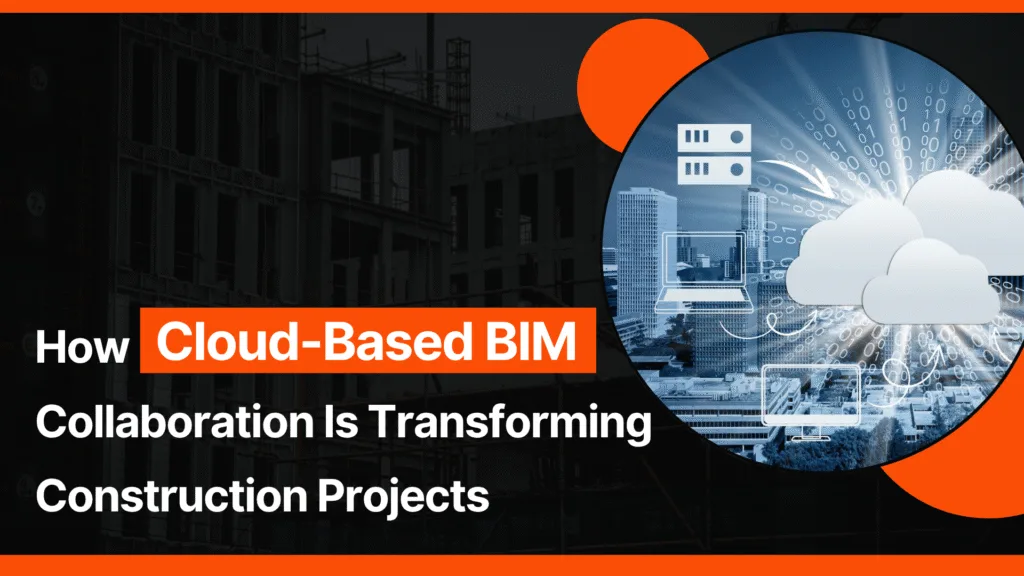
Cloud-based BIM solves this problem. It stores project data on a secure cloud platform where every team member can access the latest model in real time. Everyone works from the same information, which helps reduce errors and speed up project delivery.
Many construction companies in the USA now use cloud platforms because they improve communication, simplify project management, and support better decisions throughout the project lifecycle.
What Is Cloud-Based BIM Collaboration?
Cloud-based BIM collaboration allows project teams to work on a shared Building Information Model through the internet. Instead of sending large files back and forth, every authorized user can view the latest model from one central location.
This approach gives architects, engineers, contractors, and project managers quick access to current drawings, documents, and design updates. Team members can review models, report issues, and approve changes without waiting for new file versions.
Cloud platforms also keep a record of every update. This helps teams avoid confusion and ensures everyone works with the latest project information.
Why the USA Construction Industry Is Adopting Cloud-Based BIM
Construction projects continue to grow in size and complexity. Teams often work across multiple offices, states, and job sites. Cloud-based BIM helps connect everyone through one shared platform.
The demand for connected construction has grown rapidly. Autodesk reports that its Builders Network now connects more than one million construction professionals worldwide. The platform also supports over 350,000 construction projects, which shows how widely cloud collaboration has been adopted across the industry.
Cloud collaboration also helps reduce project risks. Many leading U.S. infrastructure contractors use Autodesk Construction Cloud to improve design coordination, reduce rework, and keep projects on schedule.
For construction firms in the USA, cloud-based BIM is no longer just a technology upgrade. It has become a practical way to improve teamwork, speed up decisions, and deliver projects with greater accuracy. Partnering with a reliable BIM service provider in USA also helps companies streamline collaboration and achieve better project outcomes.

Key Benefits of Cloud-Based BIM Collaboration
Cloud-based BIM offers many advantages for construction teams. It helps improve communication, project accuracy, and team productivity.
Real-Time Access to Project Data
Every team member can access the latest project model from one secure location. This removes confusion caused by outdated files and helps teams make faster decisions.
Better Team Collaboration
Architects, engineers, contractors, and clients can review the same model at any time. This keeps everyone on the same page and reduces communication gaps.
Faster Design Reviews
Design updates become visible almost instantly. Team members can review changes, provide feedback, and approve revisions without long delays.
Reduced Rework
Accurate and up-to-date models help identify problems before construction starts. This reduces costly rework and keeps projects on schedule.
Improved Document Management
Cloud platforms store drawings, reports, and BIM models in one place. Teams spend less time searching for files and more time completing project tasks.
Better Decision Making
Project managers can review the latest information before making important decisions. This improves planning and reduces unexpected issues during construction.
How Cloud-Based BIM Improves Project Coordination
Project coordination is one of the biggest challenges in construction. Cloud-based BIM helps every stakeholder work together more efficiently.
Centralized Project Information
All project files remain in one secure environment. Team members no longer need to manage multiple file versions across different devices.
Better Coordination Between Disciplines
Architectural, structural, and MEP teams can work from the same BIM model. This helps identify clashes early and improves design quality.
Faster Issue Resolution
Project teams can mark issues directly inside the BIM model. Designers and engineers receive notifications quickly and can resolve problems before construction begins.
Easy Client Collaboration
Owners and clients can review project progress remotely without visiting the office. This speeds up approvals and helps projects move forward without unnecessary delays.
Support for Remote Teams
Construction companies often have teams working from different cities or states. Cloud-based BIM allows everyone to collaborate regardless of location.
Better Construction Planning
Contractors can review updated models before work begins. This improves scheduling, material planning, and site coordination.
Challenges of Traditional BIM Workflows
Many construction companies still rely on traditional BIM processes. These methods often create unnecessary delays and increase project risks.
Multiple File Versions
Project files are frequently shared through email or local servers. This creates different file versions and makes it difficult to know which one is correct.
Slow Communication
Important updates may not reach every stakeholder at the same time. Delayed communication can affect project schedules and increase errors.
Limited Accessibility
Traditional BIM files usually remain on office computers or internal networks. Team members cannot easily access project data from job sites or remote locations.
Higher Risk of Errors
When different teams work from outdated models, design conflicts become more common. These mistakes often result in expensive rework during construction.
Difficult Collaboration
Large BIM files are difficult to share through conventional methods. Teams spend valuable time transferring data instead of focusing on project delivery.
Best Practices for Successful Cloud-Based BIM Collaboration
Construction companies can maximize the value of cloud-based BIM by following a few proven practices.
Define BIM Standards Early
Project teams should establish BIM standards before work begins. Clear modeling guidelines help maintain consistency throughout the project.
Assign Roles and Responsibilities
Every stakeholder should understand their responsibilities. Clear ownership improves accountability and keeps projects organized.
Keep Models Updated
Regular model updates ensure every team member works with accurate information. This reduces confusion and improves project coordination.
Maintain Data Security
Construction projects contain valuable information. Companies should use secure cloud platforms with role-based access and regular backups to protect project data.
Schedule Regular Coordination Meetings
Weekly coordination meetings help teams review progress, discuss design changes, and resolve issues before they affect construction.
Train Project Teams
Cloud technology continues to evolve. Regular training helps employees use BIM software more effectively and improves collaboration across the project team.
Monitor Project Performance
Project managers should track model updates, issue resolution, and collaboration metrics throughout the project. This helps identify opportunities for continuous improvement.
Conclusion
Cloud-based BIM collaboration is changing the way construction projects are delivered in the United States. It provides faster access to project information, improves communication, strengthens coordination, and helps reduce costly construction errors. As projects become larger and more complex, cloud-enabled BIM gives architects, engineers, contractors, and owners a more efficient way to work together.
Companies that adopt cloud-based BIM today are better prepared to deliver projects on time, within budget, and with greater accuracy. Whether the project involves new construction, renovation, or facility management, a connected BIM workflow supports better decision-making at every stage.
Next Synergy Solution helps architects, engineers, contractors, and construction firms adopt modern BIM workflows through accurate BIM modeling, Scan to BIM Services, MEP BIM, and coordination services. Our team delivers reliable BIM solutions that improve collaboration, reduce project risks, and support successful construction projects across the USA.