
The AEC industry runs on complex coordination. Architects, engineers, and contractors have multiple intersections as they coordinate schedules and compliance requirements on every project. Not having a clear workflow may lead to negligence, and such oversights may ripple into requests for information (RFIs), redesigns, and costly delays.

Global construction activity is rising quickly, with the market expected to reach $17 trillion by 2029. Competing at such a scale leaves little room for guesswork.
That’s why teams need defined checkpoints in terms of Schematic Design (SD), Design Development (DD), and Construction Documents (CD). These are the phases that guide how ideas mature, how data flows between teams, and how decisions become buildable outcomes.
If you manage these well, then these phases protect budgets, compress timelines, and keep everyone aligned.
More on it below.
How Design Evolved From Classical to Modern
The concept of design phases has its roots in the early 20th century, as architecture evolved from stylistic eras into a profession defined by its process.
What began as an artistic evolution soon required formal checkpoints to manage the growing complexity of projects.
The shift from hand sketches to CAD pushed this further.

Drawings turned into data-driven documents make it possible to refine designs at each stage instead of redrawing from scratch.
Then, there are professional bodies that reinforce the structure. There are AIA in the U.S. and RIBA in the U.K. that rolled out these frameworks to standardize the process in the AEC industry.
Three Design Phases: SD, DD, and CD
Design phases serve as checkpoints, shaping how an idea evolves from a sketch into something that can be built.
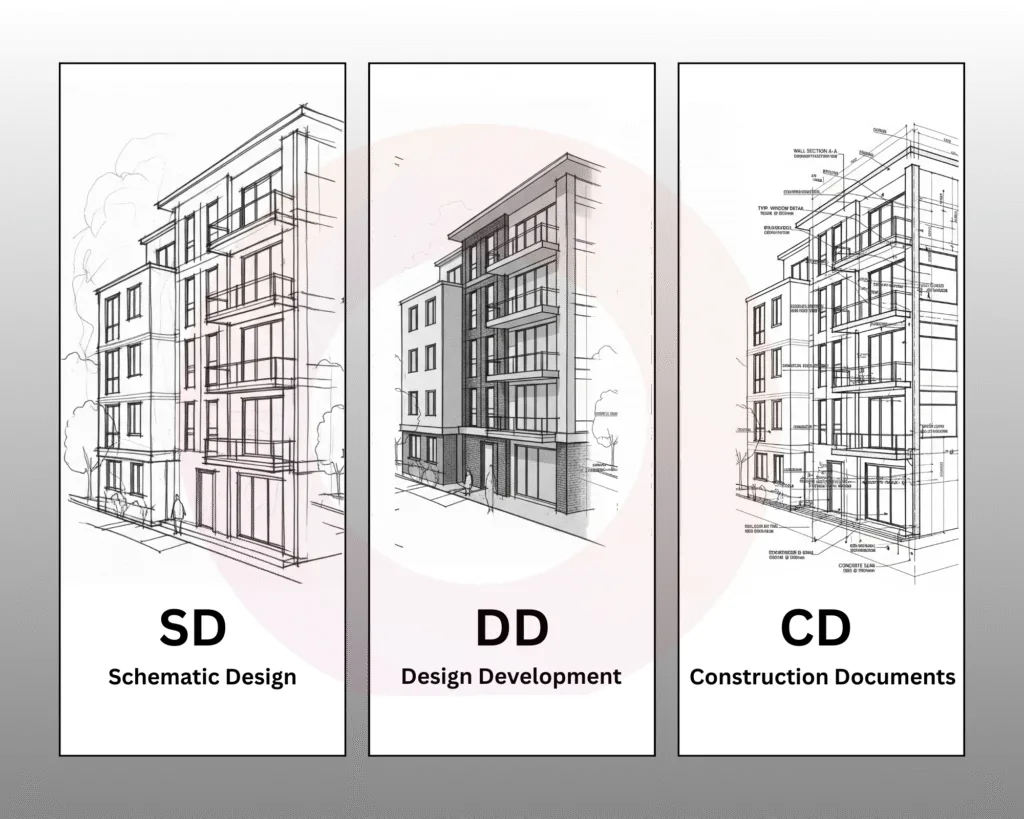
Each phase has its own role to reduce ambiguity and hand the next team a model they can rely on.
Schematic Design (SD)
Schematic Design is the first formal stage of a project, which focuses on framing possibilities and testing how they withstand site conditions, client expectations, and rough cost targets.
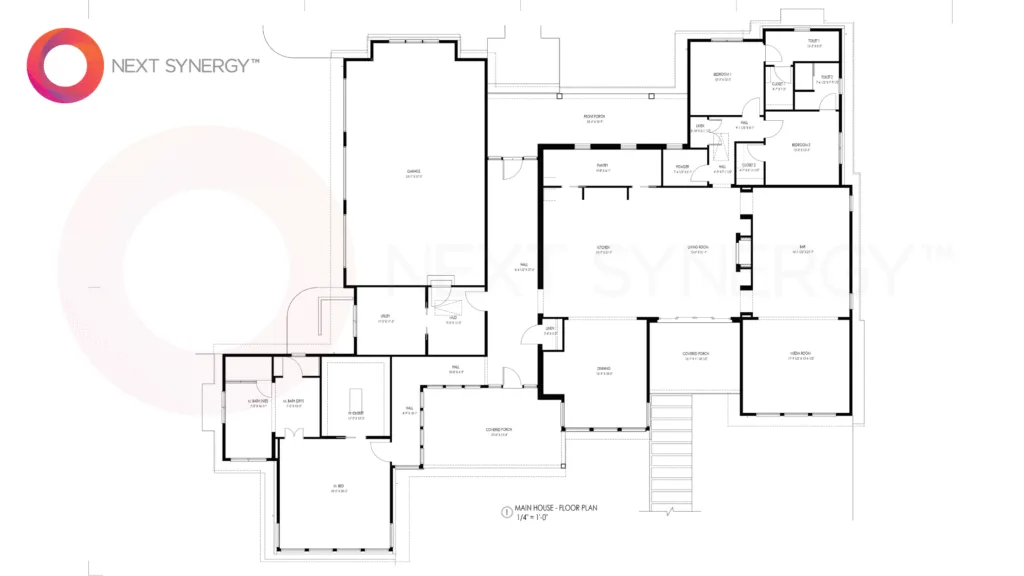
This phase is all about :-
-
- Leveraging concept sketches to capture multiple design directions
-
- Adopting spatial planning and defining how functions relate in terms of where public and private zones are located
-
- Running preliminary cost estimates to connect design intent to budget
Major Stakeholders :-
This stage will have the following stakeholders as key decision-makers and driving forces.
-
- Architects lead the vision-building as they leverage architectural modeling services and test compliance with zoning, setbacks, and codes.
-
- Project managers align resources, make schedules, and define scope.
-
- Clients are responsible for voicing priorities in terms of budget, aesthetics, and sustainability
Deliverables :-
The schematic design will have the following deliverables planned out:
-
- Concept drawings to establish the project identity
-
- Basic floor plans to define circulation and adjacencies
-
- 3D visualizations that help non-technical stakeholders “see” massing and proportions
-
- Preliminary budget to outline expected costs and flag risks
Challenge at this stage :-
It’s where ambition meets constraint. So clients often discover that their wish list doesn’t align with cost or regulatory realities, suggesting misalignment.
Design Development (DD)
Design Development works in line with the schematic vision. So, the broader strokes in SD will now come up as detailed solutions. There will be refinements to ensure the design remains both buildable and cost-effective.
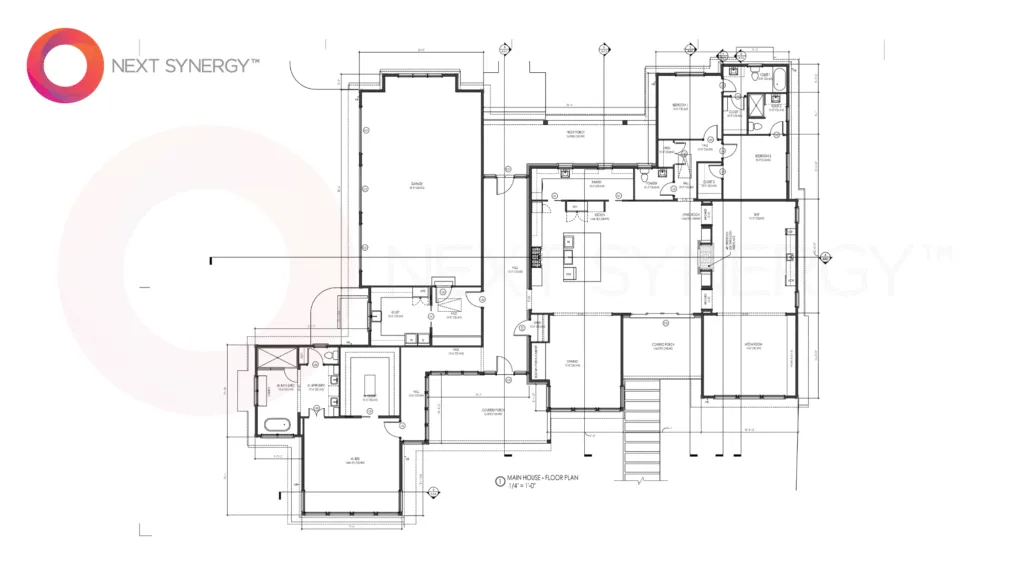
The activities at this stage are :-
-
- Choosing the material selection to finalize finishes, structural systems, and assemblies
-
- Pivot to structural detailing that helps validate spans, loads, and connections with engineers
-
- Conduct a sustainability analysis to assess energy performance, daylighting, and compliance with environmental standards
Key Stakeholders in DD :-
It’s a stage that brings together multiple disciplines to align design intent with technical feasibility as the following parties collaborate.
-
- Architects refine floor plans, sections, and elevations with greater precision
-
- Engineers (structural, MEP) resolve system layouts and eliminate clashes
-
- Consultants (acoustic, fire safety, sustainability) provide specialized input
-
- Cost estimators update budgets with real-time data, enabling value engineering where required
Deliverables :-
The Design Development phase produces more comprehensive documentation by using the design documentation services with major actions around:
-
- Detailed floor plans, elevations, and sections with accurate dimensions
-
- Outline specifications that describe materials and systems in greater detail
-
- Updated cost analysis reflecting design refinements and system choices
What’s the challenge? Coordination remains a challenge because disciplines overlap, and that’s where conflicts emerge between architecture, structure, and systems.
Construction Documents (CD)
This one is the last step. What it does is translate the refined design into a complete set of instructions. This information is further useful in bidding, permitting, and building with clarity and precision.
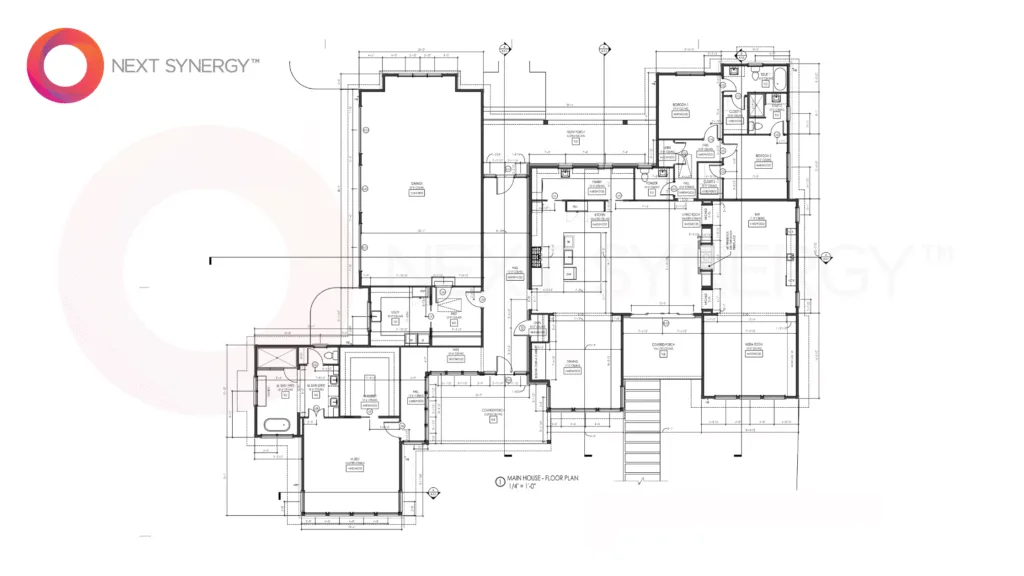
The activities here include :-
-
- Detailed drawings of wall sections, schedules, and technical details for execution
-
- Review of the shop drawings to make contractor submissions match the design intent
-
- Final specifications outlining the exact materials, assemblies, and performance standards
-
- Conduct code compliance checks to verify that the design meets all applicable building regulations and safety requirements
Major Stakeholders :-
This stage will engage professionals who are responsible for ensuring the technical accuracy and approval. It includes:
-
- Architects who produce coordinated document sets and lead quality control
-
- Engineers to finalize structural and MEP designs into construction-ready detail.
-
- Contractors leveraging CDs to price, plan, and prepare for construction.
-
- Authorities and other stakeholders review the documents for permits and regulatory approval
Deliverables :-
There’ll be a complete package of technical instructions with deliverables such as:
-
- Comprehensive drawings and schedules
-
- Full specifications documenting materials, tolerances, and installation standards
-
- Bid packages and contracts for tendering and legal agreements
A Major Challenge: Accuracy! Any gap or ambiguity can create RFIs, delays, or disputes during construction.
How Critical is BIM for SD, DD, and CD?
BIM has a different approach than the traditional paper-based workflow. It is designed to create digital models that are integrated at each of the stages we discuss. What you get with BIM modeling services in the AEC workflow is a single source of truth, rather than relying on disconnected 2D drawings.
With this shift, there are benefits across each phase of design.
Benefits of adopting BIM in Schematic Design (SD)
Using BIM at this stage paves the way for:
-
- Perfor3D visualization to communicate massing, form, and intent clearly to clients
-
- Early client approvals that help non-technical stakeholders “see” the project
-
- Concept-level simulations for daylight, orientation, or high-level energy checks
How BIM helps Design Development (DD)
At the DD stage, BIM provides:
-
- Clash detection and coordination services link the architectural, structural, and Mechanical, Electrical, and Plumbing (MEP) systems before drawings advance
-
- Energy modeling to evaluate performance and test sustainable design strategies
-
- Cost forecasting through linked quantities and material data
Importance of BIM in Construction Documents (CD)
In the final stage of CD, you can have BIM to:
-
- Automate drawing generation directly from the model, reducing manual drafting errors
-
- Provide accurate quantity take-offs tied to model geometry, supporting reliable bids
-
- Create a digital twin for lifecycle use, handing owners a data-rich record at project closeout
Why SD, DD, and CD Matter in Every Project
The SD, DD, and CD help bring order, accountability, and predictability to projects because all these stages have multiple disciplines and large budgets.
Keeping costs under control
The SD provides only an approximate budget, whereas the DD offers precise figures due to the decisions made around systems and materials.
By the final phase of CD, a Bill of Quantities is available that can minimize the possibility of unforeseen expenses. Here, cost construction and cost estimation services can also be useful for staying in sync with the budget.
Reducing risks before they snowball
You can test assumptions early and spot issues before they snowball. That might be a structural clash, a code problem, or simply a misread client expectation. By resolving those upstream, you cut down on the kind of RFIs and redesigns that stall projects.
Smoother collaboration amongst stakeholders
Architects, engineers, contractors, and clients have some body of work in reference due to phased deliverables. And, this makes alignment easier. It doesn’t eliminate conflict, but it keeps it at a manageable level, allowing progress to continue.
Improving the output quality
Ultimately, each phase enhances quality in its own unique way. SD secures the vision, DD tests technical soundness, and CD sharpens precision. Together, they not only raise performance but also give regulators fewer reasons to push back.
Industry Practices at a Global Level
Global firms follow the same idea, but the way they adopt these phases in the AEC differs based on the region they operate in:
-
- In the United States, SD, DD, and CD are a part of contracts and fee schedules. The milestones are aligned to permitting, bidding, and Guaranteed Maximum Price (GMP) targets. Teams run BIM with a BIM Execution Plan (BEP) to set the Level of Development (LOD), authorship, and exchange rules.
-
- The United Kingdom has the Royal Institute of British Architects (RIBA) that plans the stage 2 Concept Design (SD), stage 3 with Spatial Coordination (DD), and stage 4, which is of technical Design(CD).
-
- In Asia, particularly in countries like Singapore and Hong Kong, companies lean on Design for Manufacture and Assembly (DfMA) and early package release. India and the Middle East favor design-build and fast-track delivery that compresses DD and CD, shifting more towards coordination in preconstruction.
Future of SD, DD, and CD in the AEC Industry
SD, DD, and CD shift to model-first delivery with e-permitting that’s led by BIM. AI tests options early while live links to cost and carbon ground decisions inside the model.
CDs turn into fabrication-ready outputs, and the model becomes the record that hands off to a connected digital twin.
Automation and AI in SD and DD
Generative design shifts early design from guesswork to option testing with live feedback on cost and performance. The generative-AI-in-construction market sits near $299 million in 2024 and is projected to hit $6.07 billion by 2034 at a 35% CAGR, driven by productivity and quality gains.
Digital twins and IoT after CD
Owners move from static handover to live asset models. Building digital twin value is estimated at $3.30 billion in 2024, reaching $21.85 billion by 2032 at 26.95% CAGR; broader twin markets show similar acceleration. Twins are tied to sensors for performance, maintenance, and contractual reporting in operations.
Sustainability across every phase
Teams link BIM quantities to Life Cycle Assessment (LCA) and Environmental Product Declaration (EPD) data. That’s why SD, DD, and CD can reflect cost and carbon together. Buildings account for 37% of energy and process-related CO₂ emissions, and only 29% of stakeholders currently report using BIM-LCA tools, suggesting a quick growth in the focus area.
Over to You
Following the stages of SD, DD, and CD is a sure-shot way to turn vision into reality in a phase-by-phase manner. Each phase will lock a layer of clarity, cut risk, and hand the next team work they can trust.
Again, there are modern tools that help with the ceiling. For instance, when you build these phases within the BIM model, it can help run clashes early, link quantities to cost and carbon, and publish clean CDs that feed a digital twin. This way, your team stays aligned, clients approve sooner, and projects land on time.
Ready to stay competitive? Adopt model-first workflows, train your staff, and partner with an expert BIM company that can make this possible.